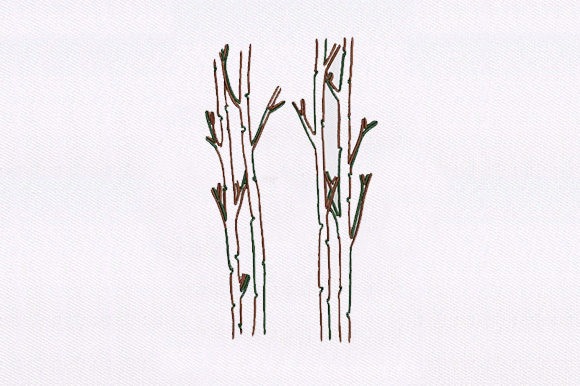
Tree Without Leaf Embroidery Design Review for Real Projects
When I first opened the Tree Without Leaf machine embroidery design, I was struck by its simplicity and emotional depth. It’s not just a tree—it’s a statement of resilience, growth, or perhaps a symbol of winter stillness. The shape is clean, the layout is thoughtful, and the overall theme feels grounded in nature without being overly complex. As an experienced designer and product reviewer, I immediately started to imagine how this design might translate into real-world projects.
First Impressions: Mood and Visual Personality
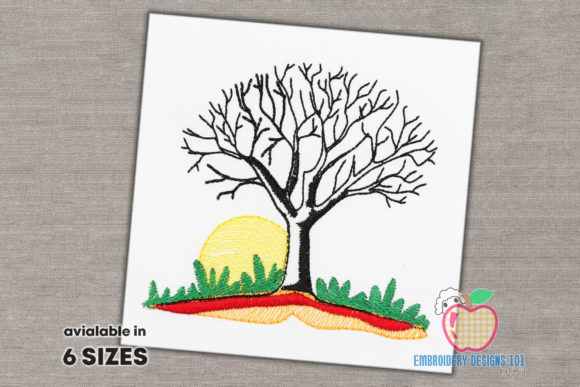
The Tree Without Leaf has a minimalist yet powerful presence. Its branches are subtly detailed, with a natural flow that suggests age and strength. The absence of leaves allows the structure of the tree to take center stage, which can be both calming and evocative depending on the context. This design doesn’t shout; it whispers. That makes it versatile but also means it needs the right backdrop to shine.
I found myself thinking about how it would look on a custom sweatshirt—maybe paired with some small text or a simple monogram. But I also considered it as part of a larger collection for a boutique line of handmade aprons or pillow covers. Its mood fits well with autumnal themes, rustic weddings, or even personal branding for a forest-themed business.
Design Layout and Detail Level
The layout of the Tree Without Leaf is balanced and symmetrical, which helps in aligning it correctly on any garment or fabric. The detail level is just enough to feel handcrafted without becoming too busy. There are no tiny letterings or intricate patterns that might disappear under stitch density. Instead, the focus is on the form and the contrast between the tree and the background.
It uses a combination of satin stitches along the trunk and branches, with fill stitches creating subtle shading where needed. The running stitch elements help define the bark texture, adding visual interest without overcomplicating the design. For someone who values clarity and a professional finish, this design hits the sweet spot.
Real-Life Use Cases: Where It Works Best
This kind of design is ideal for a range of embroidered products, especially those that benefit from understated elegance. Here are some of the top scenarios I see it fitting into:
- Custom Apparel: Sweatshirts, t-shirts, and tote bags all work well. The design adds a touch of sophistication without overwhelming the fabric.
- Baby Items: A simple tree silhouette could make a great feature on a baby onesie or sleeper, especially if you’re going for a modern or gender-neutral aesthetic.
- Patches and Decor: An embroidered patch using this design would be perfect for denim jackets or backpacks. It also works well on decorative items like pillow covers or wall hangings.
- Holiday Gifts: Think of it as part of a holiday gift tag or a stitched ornament. Its quiet beauty pairs nicely with seasonal colors or minimal holiday typography.
- Commercial Embroidery: Because it reads clearly at a distance and maintains its integrity across different materials, it could easily become a staple in your design library for branded merchandise or retail items.
Customer Appeal and Project Value
From a customer perspective, the Tree Without Leaf feels intentional. It’s the kind of design that communicates thoughtfulness, making it a strong contender for personalized gifts or handmade shop products. When used on a tote bag or a kitchen towel, it adds a sense of craftsmanship and purpose. And when placed on a baby item or nursery decor, it brings a soft, natural charm that many parents appreciate.
What I love most is how it enhances the product value. Even on basic cotton or flannel, it elevates the look without requiring expensive materials. Customers will likely respond positively to the clean lines and subtle symbolism, especially if they're looking for something that feels meaningful rather than trendy.
Where to Use With Caution
While the Tree Without Leaf is adaptable, there are certain situations where extra attention is required:
- Small Hoop Sizes: If you plan to resize it for a smaller space, such as a cap or a button, you’ll need to check whether the details remain legible after scaling down.
- Textured or Thin Fabrics: On fabrics like felt or thin knits, the design may lose its crisp edges unless properly stabilized and tested.
- Stretchy Materials: Stretchy fabrics can distort the shape slightly, so hoop tension becomes more critical.
- Dark Backgrounds: The design relies on contrast, so thread color choice is essential. On dark fabric, white or light-colored threads will give it the visibility it needs.
- Dense Stitch Areas: While the design isn’t overly dense, areas around the base of the trunk might require adjusting stitch spacing to prevent puckering.
- Curved Surfaces: Using it on curved surfaces like caps or mugs (via heat transfer) should be done with care to maintain proportions and alignment.
These aren’t dealbreakers, but they do mean the design requires a bit more planning and testing before being committed to a production run or client project.
Designer Notes: Practical Tips for Execution
Before stitching this design onto anything intended for sale or gifting, here are my top recommendations:
- Test on Scrap Fabric: Always test the Tree Without Leaf design on a scrap of your intended material to assess how it looks and behaves during stitching.
- Check Thread Color Contrast: Especially if you’re using it on darker materials, ensure the thread stands out enough to be visually appealing.
- Review Stitch Density: Look closely at how the stitches lay in the denser parts of the design. Adjust if necessary to avoid pulling or distortion.
- Confirm Hoop Size: Make sure your hoop can accommodate the full size of the design without stretching or shifting.
- Inspect Small Details: Though not overly intricate, the design does have delicate lines that can break if the stabilizer isn't appropriate.
- Use Proper Stabilizer: A tear-away or cut-away stabilizer is recommended, depending on the fabric type.
- Mockup Testing: Try black and white mockups to see how the design functions without color bias. Also compare it on both light and dark backgrounds to ensure versatility.
- Licensing Check: Since it's a commercial embroidery file, always confirm the licensing terms before selling finished products or digital assets based on it.
Impact on Branding and Craft Business
For craft businesses, the Tree Without Leaf can serve as a strong visual anchor. It’s consistent, elegant, and timeless—perfect for building brand recognition. Whether you're creating a line of handmade products for Etsy or preparing design assets for a printable mockup kit, this design contributes a sense of professionalism and intentionality.
Its adaptability also makes it a good fit for small shop product collections. You can use it across multiple items—tote bags, aprons, tea towels—and create a cohesive look that speaks to your target audience. For Etsy sellers or creative entrepreneurs, this kind of consistency is key to standing out and building trust with customers.
Giftability and Customer Engagement
As a personalized gift, the Tree Without Leaf design can represent milestones like graduation, new beginnings, or even a tribute to a loved one. Its universal appeal makes it suitable for both male and female recipients, and it works beautifully in muted tones or bold contrasts.
On a sweatshirt or pillow cover, it invites conversation. People tend to notice designs that evoke emotion, and this one does exactly that. It’s not flashy, but it lingers in the mind—a quality that can boost buyer engagement and repeat purchases.
Final Thoughts for Embroidery Designers
The Tree Without Leaf is a standout in the Forest category—not because it’s the most detailed or colorful, but because it captures the essence of its subject with restraint and grace. It’s a design that respects the fabric and the viewer, offering a quiet strength that can elevate many types of embroidery projects.
If you're a handmade shop owner or apparel decorator looking to add a meaningful design to your repertoire, this one deserves a place in your collection. Just remember to test it thoroughly and consider the context. The right placement and treatment can turn a simple tree into a memorable piece of embroidery.
Overall, I’d say Tree Without Leaf is a solid choice for anyone aiming to blend artistry with practicality in their next embroidery project. It’s not just about what the design looks like—it’s about what it represents. And that’s something every serious designer knows is just as important as the stitch count.