★★★☆☆3.6(68 reviews)
Tree of Life Embroidery Design Review
First Impressions: A Timeless and Versatile Machine Embroidery Design
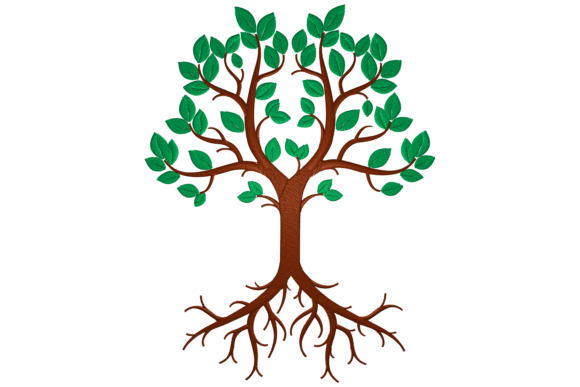
The Tree of Life embroidery design immediately stands out for its intricate detailing and organic shape. As an experienced designer, I appreciate how it evokes a sense of growth, connection, and harmony—perfect for those who want to infuse their handmade products with a touch of nature. The layout is balanced, making it suitable for both central placements and corner accents. It doesn’t scream for attention but rather invites the viewer to pause and admire its craftsmanship.A Natural Fit for Eco-Friendly and Nature-Themed Projects
This design naturally belongs to the Forest category. It’s not just a tree—it tells a story of roots, branches, and life interwoven in a harmonious way. For crafters and small business owners, especially those focusing on eco-friendly themes or nature-inspired branding, the Tree of Life offers a symbol that's both powerful and familiar. It feels like something customers would recognize and connect with emotionally.Where to Use Carefully: Practical Considerations for Real-World Stitching
- Small hoop sizes: The design is fairly large, so attempting to shrink it too much can lead to loss of detail and stitch distortion.
- Textured or stretchy fabrics: These can cause the design to pucker or lose its clean lines, especially in the fine branch details.
- Dark fabric backgrounds: Thread color contrast becomes crucial here. Without sufficient lightness, the design may appear flat or muddy.
- Curved surfaces like caps: The layout might need slight adjustments to fit properly, and stitch tension should be carefully tested.
- Densely packed garments: When layering this design with other elements, review the overall stitch coverage to avoid bulkiness or misalignment.
Designer Notes for Successful Embroidery
- Check the thread color contrast against your fabric background—especially important for dark textiles.
- Review the stitch density settings. High-density fill areas can become stiff; low density may lack definition.
- Confirm the recommended hoop size. If it's not specified, start with a medium to large hoop and adjust from there.
- Inspect small details like leaf shapes and branch endings. These can easily get lost if not stitched correctly.
- Test the design in black and white mockups before finalizing colors. This helps visualize how it will look under different lighting conditions.
- Use the appropriate stabilizer, especially on lightweight or stretchy materials.
Final Thoughts: A Thoughtful Addition to Your Embroidery Toolkit
However, its success depends on thoughtful execution. Pay attention to fabric choices, hoop size, and thread selection. Treat it as a premium embroidery project, and it will reward you with a finished product that delights both you and your customers.
⬇️ Download Free
Free download · No sign-up required
🔗 You Might Also Like
Forest
First Impressions of Black White Tree As an experienced embroidery designer, I a...
Forest
When I first opened the Tree Without Leaf machine embroidery design, I was struc...
Forest
First Impressions of Light Tree: A Design with Personality When I first saw the ...
Forest
As an experienced embroidery designer preparing for a weekend craft fair, I alwa...
Forest
First Impressions: A Timeless Forest Sketch As an embroidery designer with years...
