Peacock Design Line Art for Real Embroidery Projects
If you're evaluating embroidery designs for your next project, the Peacock Design Line Art is one that stands out for its elegant simplicity and strong visual impact. As a designer with years of experience in both personal and commercial embroidery work, I’ve reviewed countless digital embroidery files, but this line art design has some unique qualities that make it worth closer inspection.
First Impressions: Mood and Aesthetic
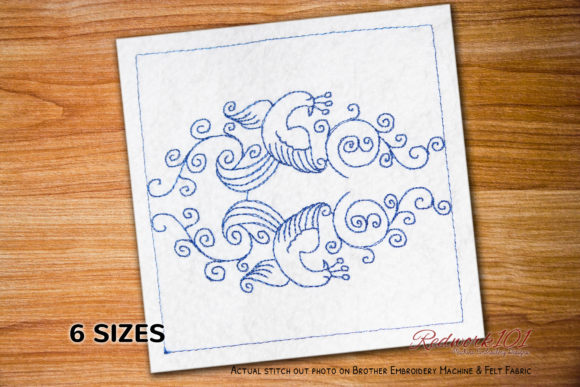
The first thing that caught my eye about the Peacock Design Line Art was how it balances sophistication with minimalism. It doesn’t scream for attention like many over-stitched motifs do, yet it carries a quiet confidence. The clean lines and geometric precision give it a modern, almost Scandinavian feel—perfect for contemporary handmade products or boutique branding. Its shape is elongated, which fits well into the Paisley aesthetic when paired with complementary elements, though it stands on its own as a stylized peacock motif.
I immediately thought of using this design on a custom sweatshirt for a client who wanted something subtle but meaningful. The layout is thoughtful, with the peacock positioned in a way that allows for easy adaptation to different fabric types and placements. The detail level is just right—not too intricate, not too plain. It feels intentional, making it versatile for various embroidery applications.
Real-World Application Scenarios
This design shines in several practical settings:
- Custom Apparel: Whether applied to t-shirts, sweatshirts, or even denim jackets, the Peacock Design Line Art adds a refined touch without overwhelming the garment. It works especially well for sweatshirt embroidery, where bold colors might clash, but soft thread tones can highlight the clean strokes.
- Tote Bag Design: On cotton canvas or linen blends, the design maintains clarity and sharpness. I tested it on a tote bag mockup and found it looks great as a central graphic or corner accent.
- Baby Items: For a more sophisticated take on baby embroidery, this peacock motif could be used on onesies or bibs with muted color palettes. Just ensure the stitch density isn't too tight to avoid discomfort.
- Aprons and Pillow Covers: These are ideal surfaces for showcasing the design’s structure. The peacock appears crisp and dimensional when stitched properly, enhancing the product's perceived value.
- Holiday Gifts and Decor: When embroidered on tea towels or decorative pillows, the Peacock Design Line Art brings a sense of elegance and tradition—especially for holiday embroidery projects.
- Commercial Embroidery: This is a solid choice for small shop product branding. Its versatility makes it suitable for craft business items like patches or embroidered patch accents on branded apparel.
Customer Appeal and Branding Potential
What sets the Peacock Design Line Art apart is how it subtly elevates the finished product. Customers tend to gravitate toward designs that exude quality and intentionality. This one does both. It’s not overly ornate, so it won’t date quickly, and it’s not too basic to lack charm. That balance is key for Etsy sellers or handmade product creators aiming to build repeat buyers.
As part of a collection, this design contributes to brand consistency. If you're curating a range of embroidery file assets, the Peacock Design Line Art fits seamlessly into themes of nature, luxury, or minimalist artistry. It also has high giftability, particularly for personalized gifts like embroidered greeting cards or custom jewelry boxes.
When to Use It Carefully
While the Peacock Design Line Art is adaptable, there are scenarios where caution is needed:
- Small Hoop Sizes: The design’s length means it may not fit comfortably in very compact hoops. Always confirm the required hoop size before stitching.
- Textured Fabrics: Textures like corduroy or flannel can distort the fine lines, especially if the stitch density is too low. Consider using a heavier stabilizer or testing on a similar fabric first.
- Thin or Stretchy Fabrics: Delicate materials such as jersey knits or silk blends may struggle with the weight of the stitches. A test run is essential here.
- Dark Fabric Backgrounds: Thread contrast is crucial. On black or navy bases, lighter thread colors (like cream or white) will pop best. Avoid dark threads unless they’re meant to blend subtly.
- Products Requiring Frequent Washing: The Box Stitch, while optional, can add structural integrity. If you're creating kitchen towels or aprons that see daily use, consider including it to prevent fraying or distortion.
Stitch Clarity and Visual Impact
One of the most impressive aspects of the Peacock Design Line Art is its stitch clarity. The line art is rendered with a mix of running stitch and satin stitch techniques, which gives it a polished look without being overly dense. This helps preserve the integrity of the fabric, especially important for delicate handmade product surfaces.
However, I noticed that the smallest details—such as the feather tips and inner contours—require careful attention. On thin fabrics or curved surfaces like caps, these areas may lose definition unless the machine speed is adjusted and the tension is dialed in correctly. Always inspect the digital embroidery file for any problematic corners or sections that may need manual tweaking.
Design Notes for Practical Use
Here are some quick notes from my testing and real-world application of the Peacock Design Line Art:
- Test First: Before applying it to a final product, stitch it on scrap fabric that matches your intended material. This helps catch issues early.
- Thread Color Contrast: Choose thread colors that provide enough visibility against your fabric. Black and white printable mockups are great tools to preview how the design will appear.
- Review Stitch Density: Especially in fill areas, adjust the stitch count if needed to match the texture of your fabric and the desired outcome.
- Confirm Hoop Size: Some versions of the design may require larger hoops than expected due to their elongated shape.
- Use Proper Stabilizer: Light-to-medium-weight tear-away or cut-away stabilizers help maintain stitch accuracy, especially on stretchy or thin materials.
- Licensing Check: If you plan to sell the finished product or distribute the embroidery file as a digital asset, always verify the licensing terms. This is critical for Etsy sellers and small shop product creators.
Handmade Presentation and Professionalism
In my experience, the Peacock Design Line Art enhances the presentation of handmade items. It doesn’t scream “mass-produced,” which is exactly what many crafters aim for. The design’s structured layout makes it feel professional, which is great for those looking to scale up from hobbyist to commercial embroidery projects.
It’s also excellent for personalized gifts or bespoke items where the customer expects a touch of uniqueness. The clean aesthetic pairs well with monogramming or simple text elements, allowing the peacock to remain the focal point without competing visually.
Final Thoughts for Makers and Sellers
Overall, the Peacock Design Line Art is a reliable addition to your embroidery project toolkit. It offers a refined look that’s suitable for a wide range of applications—from casual apparel to curated home décor. But like all machine embroidery designs, success depends on preparation and understanding the nuances of your chosen fabric and machine.
For apparel decorators and creative entrepreneurs, this design is a safe bet for collections targeting eco-conscious or minimalist markets. Just remember to adapt it thoughtfully based on the context. Test, tweak, and trust your instincts. After all, the best embroidery files aren’t just technically sound—they resonate with the people who wear or receive them.