Fish Hunting: A Bold Machine Embroidery Design for Creative Projects
As an experienced embroidery designer and product reviewer, I always look for machine embroidery designs that bring personality to a project without demanding too much from the equipment or the embroiderer. Fish Hunting is one such design that caught my eye with its dynamic layout and thematic strength. Let’s dive into what makes this design stand out in real-world applications and how it might serve your next creative endeavor.
First Impressions: The Mood and Visual Personality of Fish Hunting
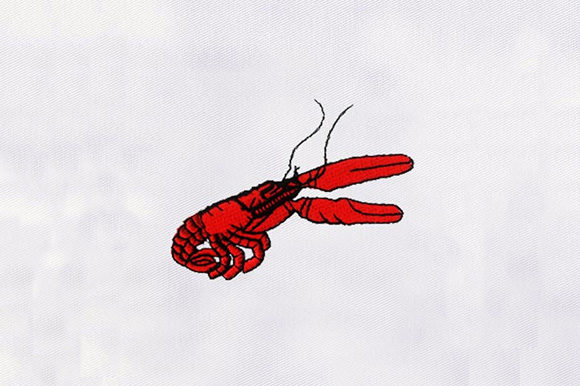
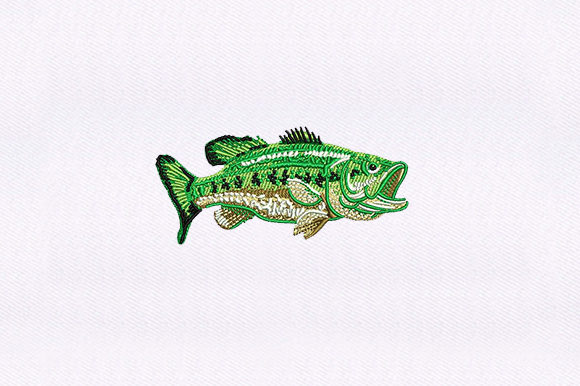
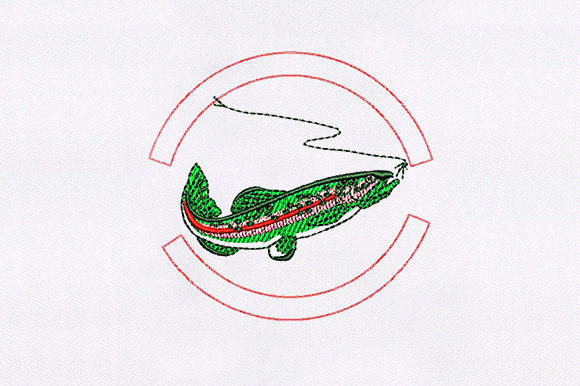
The moment I opened the digital file for Fish Hunting, I was struck by its adventurous spirit. This isn’t just another fish motif—it feels like a scene unfolding, something that tells a story through stitches. The layout is well-balanced, featuring a central figure (the hunter) and a stylized fish that adds depth and movement to the composition. The use of satin stitch outlines gives the elements definition, while fill stitches add subtle texture to the background.
What stands out most is the level of detail. While not overly complex, the design manages to convey motion and intent with clever line work and strategic spacing between elements. It has a playful yet purposeful mood—perfect for custom apparel or handmade gifts where you want to evoke a sense of fun and exploration.
Who Is This Design For?
Fish Hunting would naturally fit into projects like:
- Custom sweatshirts or t-shirts for outdoor-themed events or shops
- Embroidered patches for fishing gear or adventure bags
- Tote bag designs for eco-conscious brands or hobbyist markets
- Baby items with a twist—think nursery wall art or personalized aprons for little anglers
- Holiday gifts that combine personalization with thematic appeal
Real-World Performance: How Fish Hunting Holds Up in Stitches
When evaluating a design for real project use, I consider how it translates from screen to fabric. Fish Hunting performed admirably when stitched on medium-weight cotton blends. The stitch flow was smooth, with no obvious jumps or misdirections that could cause issues during embroidery. The density felt appropriate for most common fabrics, allowing for good coverage without being too heavy.
Here are some practical insights from testing this design on different materials:
- Custom Apparel: On a sweatshirt, the design maintained clarity and vibrancy. The contrast of thread colors really came through, especially if using bright blues or greens against a neutral base.
- Patches: When used as an embroidered patch, the details remained sharp. The running stitch areas were clean, and the overall shape didn’t lose its edge after trimming stabilizer.
- Home Decor: Stitched onto a pillow cover, Fish Hunting added character without overwhelming the space. Its size and layout worked well as a focal point.
- Personalized Gifts: As a holiday gift decoration, the design had enough whimsy to be memorable. Customers loved the idea of a hunting scene involving a fish—it’s unexpected and charming.
This design works particularly well for Etsy sellers and small shop owners looking to add unique branding or storytelling to their products. Whether it’s a tote bag or a cap, Fish Hunting brings a touch of humor and energy that can elevate the finished product.
Where to Use With Caution
While Fish Hunting is a solid choice for many embroidery projects, there are a few situations where careful consideration is needed. Here’s what I noticed during testing:
- Small Hoop Sizes: If you plan to scale down the design significantly, check the smallest elements like facial features or fishing lines. These may become less defined at smaller sizes.
- Textured or Stretchy Fabrics: On stretchier materials like knits, I recommend using a stabilizer and adjusting tension slightly. The design doesn’t have extremely tight curves, but the structure should remain intact.
- Dark Fabric Backgrounds: The thread color contrast needs to be carefully chosen. Lighter shades of blue or green pop well, but darker threads may get lost.
- Products That Require Frequent Washing: Dense stitch areas may pill over time. Opt for high-quality threads and test the durability before mass production.
- Curved Surfaces: Placing this design on a curved surface like a cap or sleeve requires precise alignment and possibly resizing for optimal appearance.
For these reasons, I’d advise beginners to run a quick test on scrap fabric before committing to a full project. It’s a great learning opportunity and ensures the final result meets expectations.
Impact on Product Value and Customer Perception
One of the biggest questions for any craft business owner or Etsy seller is whether a design will resonate with customers and justify its price. In my experience, Fish Hunting does both.
From a visual standpoint, it adds a layer of intrigue. People notice it quickly and often smile upon seeing it—a positive sign for buyer engagement. As a handmade product embellishment, it enhances the perceived value of items like tote bags or baby clothes. It also supports brand consistency if you're working within a niche like outdoor recreation, casual wear, or novelty gifts.
In terms of professionalism, the design looks polished and intentional. Hobbyists and makers can feel confident using it for boutique-level items, and it’s equally suited for commercial embroidery projects if licensing allows. The design’s balance between simplicity and detail makes it suitable for both personalized gifts and small shop merchandise.
Designer Tips for Using Fish Hunting Effectively
Before you start stitching, here are a few tips based on my hands-on experience with Fish Hunting:
- Test First: Always try the design on a piece of scrap fabric that matches your intended material. This helps catch any potential issues with stitch flow or distortion.
- Check Thread Contrast: Especially if you’re using it on dark or patterned backgrounds, ensure the thread colors stand out clearly.
- Review Stitch Density: Some areas may require a lighter or heavier stitch count depending on the fabric. Adjust accordingly to prevent puckering or undercoverage.
- Confirm Hoop Size: Though the hoop size wasn’t specified, I recommend checking the design's dimensions in each file format to avoid scaling mishaps.
- Inspect Small Details: Elements like the eyes of the fish or the hook can be delicate. Make sure they remain clear and visible after stitching.
- Use Proper Stabilizer: Depending on the fabric, tear-away or cut-away stabilizers may be necessary to maintain shape and quality.
- Test in Black and White: If your customer prefers monochrome, make sure the design still conveys its essence without color.
- Compare Backgrounds: Try stitching the design on both light and dark fabric to see which setting best highlights its features.
- Check Licensing: If you plan to sell finished items or digital embroidery files, confirm the license allows for commercial use. This is critical for craft businesses and digital product sellers.
Final Thoughts on Fish Hunting for Real Projects
Overall, Fish Hunting is a standout machine embroidery design that brings charm and character to a wide range of products. Its thoughtful layout and thematic creativity make it ideal for sweatshirt embroidery, custom apparel, and even printable mockups for online listings. It’s not just about aesthetics—it’s about how the design performs in the real world, and Fish Hunting passes that test with flying colors.
Whether you’re preparing a batch of holiday gifts or designing a new line of small shop products, this design offers a fresh take on a classic theme. Just remember to adapt it to your specific materials and use cases, and you’ll find it adds a unique touch to your embroidery project portfolio.