American Lobster Design Review for Real-World Embroidery Projects
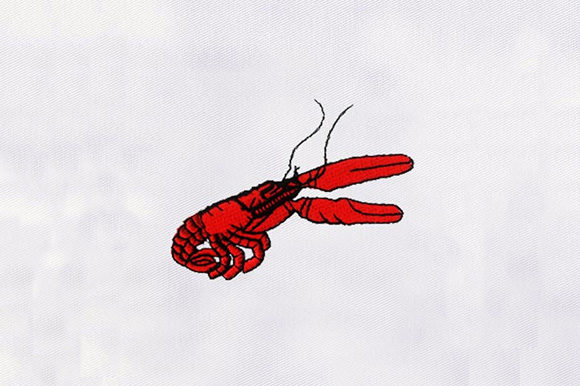
As an experienced embroidery designer and product reviewer, I’ve tested countless machine embroidery designs over the years. When it comes to American Lobster Design, I was immediately drawn in by its visual personality. The design feels bold yet balanced—perfect for someone who wants a statement without overwhelming the fabric. It’s not just another fish-themed motif; this lobster has character, from the slightly exaggerated claws to the subtle shading that gives it depth.
First Impressions and Visual Personality
The first thing I noticed about American Lobster Design is how it manages to feel both whimsical and sophisticated. The shape is well-proportioned, with a natural flow that makes it easy to integrate into various projects. The theme is playful but still holds up on more serious items like sweatshirts or aprons. This duality makes it versatile across a wide range of handmade products.
In terms of layout, the lobster is centered and symmetrical, which is great for beginners or those working with templates. The detail level is impressive for a digital embroidery file—it includes enough definition to make the subject recognizable without being overly intricate. That’s a key factor when considering real-life stitching outcomes, especially if you’re planning to use it in bulk or on less forgiving materials.
What Kind of Project Fits Best?
I can already picture this design on a custom tote bag, paired with some simple lettering. It adds a coastal charm that works beautifully for beach-themed merchandise or even as a personalized gift for seafood lovers. On a baby item, like a onesie or blanket, the lobster’s friendly face could be endearing and eye-catching. For an Etsy seller, this is a strong contender for holiday gifts, nursery decor, or boutique-style apparel.
Real-Life Application Scenarios
Let’s break down how American Lobster Design performs in different contexts:
- Custom Apparel: Works well on sweatshirts and t-shirts. The stitch density is moderate, so it won’t pill easily after multiple washes. A good choice for seasonal collections or themed lines.
- Tote Bag Design: The design scales nicely for larger hoop sizes, making it ideal for canvas or cotton tote bags. The claws are sharp enough to stand out without looking too busy.
- Baby Clothes & Nursery Decor: The gentle color palette and clean lines suit soft fabrics. It would look adorable on a bib or pillow cover, adding a touch of maritime fun without being garish.
- Embroidered Patch: Could be adapted into a patch design, especially for outdoor gear or fishing-related accessories. Just ensure proper backing and stabilizer for durability.
- Sweatshirt Embroidery: Performs reliably on thicker knits. The fill stitches don’t distort the fabric, and the satin stitch areas hold their shape well.
- Tea Towels & Aprons: Offers a charming addition to kitchen textiles. Its structure is suitable for linen or cotton blends, where stitch clarity remains intact.
- Cap or Hat Embroidery: Can be used cautiously. Because of the curved surface, you’ll need to adjust the placement and possibly reduce the size to fit within the flat area near the top.
- Holiday Gifts: Perfect for Christmas stockings, ornament patches, or winter-themed sweaters. The lobster brings a festive yet unique twist compared to typical holiday motifs.
- Commercial Embroidery: The file format support (including DST, JEF, PES, and others) ensures compatibility with most industrial machines. However, always verify machine settings and recommended hoop sizes before production runs.
Design Notes for Crafters and Small Business Owners
If you're an embroidery designer or Etsy seller, consider how thread colors interact with your chosen fabric. I recommend using a high-contrast color scheme, especially if the background is light or pastel. Darker threads might sink into lighter fabrics, reducing the impact of the design.
Also, take note of the stitch types used. The lobster features a mix of satin stitch for the shell and body, fill stitch for texture, and some running stitch details. This balance means it's not too heavy for delicate fabrics, but also not too sparse for something like denim.
Where Caution Is Advised
While the American Lobster Design is adaptable, there are certain situations where you should approach with care:
- Small Hoop Sizes: If you plan to resize significantly, check whether small details remain clear. Resizing too much can cause distortion or loss of fine lines.
- Textured or Stretchy Fabrics: These can affect stitch tension. Always test the design on a scrap piece of the same material before committing to a finished product.
- Dark Fabric Backgrounds: The visual appeal drops if placed on a dark base. Use white or off-white backgrounds to let the design shine.
- Curved Surfaces: As mentioned earlier, caps and hats require careful alignment. Consider creating a mockup or adjusting the design to avoid stretching around curves.
- Dense Stitch Areas: While not excessively dense, the lobster’s body uses enough fill to potentially warp thinner materials. A tear-away or cut-away stabilizer may be necessary depending on the fabric.
For handmade shop owners or small shop product creators, understanding these limitations will help you maintain quality control and customer satisfaction. A distorted lobster on a stretchy hoodie isn't going to reflect well on your brand’s professionalism or attention to detail.
Impact on Product Value and Brand Consistency
This design elevates the visual appeal of any project it adorns. Whether it’s a personalized sweatshirt or a commercial embroidered patch, the lobster adds a sense of authenticity and creativity. For craft business owners, this kind of design helps build brand consistency, especially if your niche leans toward marine themes, coastal living, or casual lifestyle branding.
From a buyer engagement standpoint, the lobster’s distinct shape makes it memorable. Customers often remember the visuals more than the text, so having a strong, recognizable design like this can improve recognition and repeat sales. It’s a solid asset for digital product previews and printable mockups—just ensure you have the right permissions for commercial resale.
Designer Tips for Optimal Results
Here are some practical suggestions to get the best out of American Lobster Design:
- Test on Scrap Fabric: Before stitching on a final product, run a test to see how the design behaves on your specific material.
- Check Thread Color Contrast: Especially important for tote bags or tea towels. You want the lobster to pop, not blend in.
- Review Stitch Density: Adjust if needed based on the fabric type. Too dense and it risks puckering; too loose and it loses definition.
- Confirm Hoop Size: Make sure the design fits comfortably within your hoop. Some manufacturers list recommended sizes, but if they don’t, do the math yourself.
- Inspect Small Details: Look at the eyes and claws closely. They’re stylized but still precise, which is a nice touch for hobbyists who value craftsmanship.
- Use Proper Stabilizer: Especially on thin or stretchy materials. A medium-weight stabilizer usually does the trick, but experiment to find what works best for your setup.
- Test Black and White Mockups: Sometimes, color doesn’t matter—what matters is contrast. Try viewing the design in grayscale to evaluate visibility on different substrates.
- Compare Light and Dark Backgrounds: This will give you a better idea of how the design translates across your product line.
- Verify Licensing Terms: If you’re planning to sell finished items or digital embroidery files, confirm whether the design allows for commercial use. Some files are strictly for personal projects unless otherwise stated.
Final Thoughts for Creative Entrepreneurs
American Lobster Design is a reliable option for anyone looking to add a bit of charm to their handmade product lineup. It’s not the kind of design that screams “look at me,” but rather one that invites a smile and fits naturally into a variety of themes. From a craft fair product to a custom apparel order, it brings a touch of whimsy without compromising on quality or usability.
As a reviewer, I’d say this is a design that earns its place in a creative entrepreneur’s library. It’s got the flexibility to work on everything from holiday gifts to nursery decor, and the visual clarity that makes it stand out in design assets. But remember: every design needs context. Know your materials, test thoroughly, and let the lobster speak through your finished product in the best possible way.