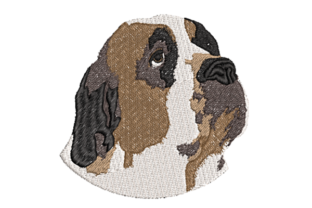
Realistic Saint Bernard Embroidery Design Review
If you're a small business owner or an embroidery shop professional looking for a versatile, high-quality machine embroidery design, the Realistic Saint Bernard might just be the perfect fit. As an experienced embroidery designer, I've reviewed countless digital embroidery files for use in branded merchandise and patches. This one stands out—not only for its visual appeal but also for its adaptability across various commercial applications.
First Impressions: A Professional and Friendly Brand Image
The Realistic Saint Bernard gives off a warm, approachable vibe while maintaining a level of sophistication that aligns well with premium branding. It’s clear from the product description that this design is inspired by a real dog—Luca—and that attention to detail translates into the final stitched look. The design feels more like a custom illustration than a generic stock file, which is a strong indicator of quality.
Visually, it conveys a sense of authenticity and charm, making it ideal for businesses that want to communicate trustworthiness and community connection. Whether your brand is cozy like a local café or boutique, or bold like a pet supply store, this design can reflect both a friendly and professional identity.
Performance in Real Business Applications
One of the key factors when evaluating any embroidery file for commercial use is how well it adapts to different materials and placements. The Realistic Saint Bernard performs admirably in most scenarios:
- Embroidered Patches: The design works particularly well as a patch for tote bags, aprons, or uniforms. Its detailed lines and consistent stitch flow make it easy to hoop and stitch cleanly.
- Chest Logo Accents: For staff uniforms or branded jackets, the Saint Bernard adds a touch of character without being overwhelming. Its placement should be strategic to avoid interference with other logos or text.
- Sleeve Details: When used as a sleeve accent on work shirts or casual wear, the design enhances the garment's personality without distracting from the main branding elements.
- Cap Embroidery: On caps, especially front-facing ones, the size must be carefully adjusted. While the design is realistic, smaller versions may lose some of their intricate features.
- Tote Bag Markings: For tote bags, whether they’re used as customer gifts or part of your small business merch, this design adds a memorable visual element that supports brand recognition.
- Apron Embroidery: If your business serves food or drinks, adding this design to staff aprons could enhance your handmade product presentation and create a cohesive aesthetic.
- Commercial Projects: Thanks to the multiple file formats provided, it integrates smoothly into commercial embroidery workflows, supporting customization and scalability.
Design Assets and Visual Consistency
For brands aiming to maintain visual consistency, the Realistic Saint Bernard offers a strong silhouette and recognizable features. It can easily become part of your broader design assets, complementing other logos, slogans, or icons. Using it alongside minimalist text or geometric shapes can help balance the overall design layout.
Where to Use With Caution
While the Realistic Saint Bernard is a solid choice for many projects, there are a few areas where care is needed:
- Small Patch Sizes: At tiny sizes, the details may not render clearly. Always test at scale before mass-producing patches.
- Curved Surfaces: Due to its complex shape, stitching on curved surfaces like hoodies or baseball caps requires precise alignment and possibly a segmented layout.
- Dark Uniforms: Depending on the thread colors used, the design may appear muted on darker fabrics. Consider using metallic or contrasting threads for visibility.
- High Stitch Density: Some areas of the design have dense stitching, which could cause puckering if not properly stabilized. This is especially important for stretchy or thin materials.
- Frequent Washing: If used on items like aprons or workwear that undergo repeated laundering, ensure the design is stitched with durable thread and proper backing material.
Thread Colors and Fabric Texture
Thread color selection is crucial when using the Realistic Saint Bernard. While the design includes a range of shades for depth, it’s worth considering black-and-white variations first to see how it looks on your chosen fabric. Textured materials such as canvas or denim may alter the appearance slightly, so always do a test run.
Brand Identity and Customer Engagement
Incorporating the Realistic Saint Bernard into your branding strategy can significantly enhance your brand identity. For pet-themed businesses or those rooted in tradition and craftsmanship, this design reinforces values of loyalty, warmth, and quality.
Customers tend to connect emotionally with animals, and using a dog-themed embroidery design can boost buyer engagement. The Saint Bernard’s gentle and noble appearance makes it especially appealing for bakeries, cafés, or any business that wants to evoke a sense of comfort and reliability.
As a branded asset, this design contributes to visual consistency across your custom apparel and product labels. It helps build customer trust through a polished and professional look, which in turn increases perceived product value.
Professionalism and Recognition
A well-executed digital embroidery file can elevate your business image. The Realistic Saint Bernard brings a touch of class and uniqueness to your merchandise, helping you stand out in competitive markets like Etsy shops or local boutiques.
Its presence on event merch, staff uniforms, or even packaging accents ensures that your brand remains top-of-mind. Over time, customers will begin to associate the Saint Bernard with your products, reinforcing brand recognition.
Designer Notes and Best Practices
Before incorporating the Realistic Saint Bernard into your production line, consider the following practical steps to ensure optimal results:
- Test in Black and White: Evaluate contrast and clarity before committing to color thread choices.
- Check Small Patch Size Performance: Zoom in on the design to confirm that it retains its shape and definition at reduced scales.
- Review Thread Color Contrast: Ensure that the selected thread palette stands out against your fabric background.
- Inspect Spacing and Alignment: Look for tight corners or overlapping stitches that may require adjustment.
- Confirm Hoop Size: Make sure the design fits within your machine’s capabilities and adjust if necessary.
- Use Proper Stabilizer: Especially for delicate or stretchy fabrics, stabilizers are essential to prevent distortion.
- Create a Printable Mockup: Share a mockup with clients or stakeholders to get approval before finalizing the order.
- Compare With Other Design Elements: Ensure the Saint Bernard complements your existing logo, fonts, and color scheme.
- Verify Commercial Licensing: Always check the licensing terms before using any digital embroidery file for commercial embroidery purposes.
Final Thoughts on Realistic Saint Bernard
The Realistic Saint Bernard is more than just a pretty face—it’s a functional and expressive machine embroidery design that can contribute meaningfully to your business’s visual language. From embroidered patches to tote bag designs, it has the potential to reinforce your brand’s message and create lasting impressions.
However, success depends on thoughtful application. Be mindful of fabric types, placement, and scale. Always test the design on actual materials before moving into bulk production. And remember, while the product title mentions it as an unofficial mascot, it’s up to you to decide how best to integrate it into your brand narrative.
With the right approach, the Realistic Saint Bernard can become a signature element of your branded merchandise, enhancing professionalism and customer connection across all your embroidery projects.