Minimalistic One Line Dolphin Review
When I am scouting for a new embroidery design to add to my library, I am rarely looking for complexity. In fact, as an experienced designer who frequently consults for small brands and personal clients, I often find that the most effective designs are the ones that whisper rather than shout. This is exactly why I decided to put the Minimalistic One Line Dolphin through its paces. It promises a continuous single-line aesthetic that is both modern and timeless, but does it hold up when the needle actually hits the fabric? After testing this machine embroidery design across various textiles and project types, here is my honest assessment of its practical value for your craft business or personal wardrobe.
The First Impression: Mood and Visual Personality
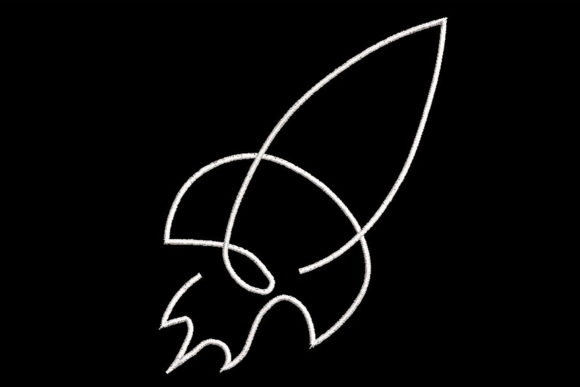
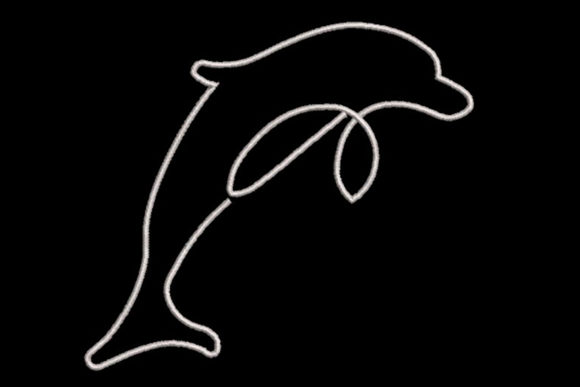
The moment you import this file into your digitizing software, the visual impact is immediate. The Minimalistic One Line Dolphin captures the essence of marine life without getting bogged down in excessive detail. It relies on the confidence of a single, unbroken line to define the shape of the dolphin, creating a sense of fluid motion and grace. This is not just a picture of a dolphin; it is an interpretation of movement.
For designers, this translates to a design that feels clean, sophisticated, and highly versatile. The mood it creates is relaxed yet elegant. It avoids the cartoonish look that can plague simpler designs because the curvature of the line is deliberate and smooth. It suggests a brand identity that values simplicity, nature, and modern aesthetics. Whether you are creating assets for a boutique nursery or a trendy beachwear line, this design fits seamlessly into a cohesive visual language. It is a perfect example of how less truly becomes more in the world of embroidery.
Real-World Application: From Concept to Finished Product
The true test of any embroidery file is how it performs in a real-world scenario. I took this design with me to prepare a batch of custom gifts and small-batch merchandise, and here is how it translated across different mediums.
Custom Apparel and Sweatshirts: I started by embroidering the dolphin onto a heather grey cotton sweatshirt. Because the design is minimalistic, it does not overwhelm the garment. Instead, it acts as a focal point. The continuous line works beautifully on the chest area, offering a subtle branding element that looks professional rather than mass-produced. It pairs exceptionally well with simple typography, making it ideal for custom apparel lines that focus on lifestyle and comfort.
Tote Bags and Canvas Projects: One of the most popular items for Etsy sellers and craft fair vendors is the canvas tote bag. I tested the Minimalistic One Line Dolphin on a natural jute tote. The contrast between the dark thread and the textured fabric was striking. However, this also highlighted the importance of thread selection. A high-contrast thread color helped the single line pop against the coarse weave of the jute, ensuring the details remained visible even from a distance. This makes it a strong candidate for a tote bag design aimed at eco-conscious consumers.
Baby Items and Nursery Decor: The gentle curves of the dolphin make it inherently soft and approachable, which is why it excels in the baby market. I stitched it onto a white muslin burp cloth and a small receiving blanket. The simplicity of the design ensures that it does not feel cluttered or overwhelming on such delicate items. It serves as a beautiful personalized gift for baby showers, where parents often appreciate understated elegance over loud graphics. The Embroidery adds a tactile quality that printed designs simply cannot match, increasing the perceived value of the handmade product.
Holiday Gifts and Kitchen Towels: During the holiday season, this design found a surprising home on linen tea towels. The nautical theme resonates well with coastal homes, and the minimalistic style keeps it looking fresh year-round. It is not limited to Christmas; it works as a year-round decorative accent. For holiday embroidery, pairing this with a simple script font for names or dates creates a stunning finished product that customers are proud to display.
Where to Exercise Caution
While the Minimalistic One Line Dolphin is versatile, no design is universal. There are specific contexts where this particular aesthetic might struggle or require careful consideration.
- Small Hoop Sizes: If you are attempting to stitch this on very small items like socks or tiny accessories, ensure the digitized size is appropriate. While the design is simple, if it is scaled too small, the single line may become difficult to distinguish or may pucker the fabric.
- Textured and Stretchy Fabrics: As noted with the jute tote, texture can affect clarity. On highly textured fabrics, the single line might get lost in the weave. Similarly, on stretchy knits like jersey, you must use a proper stabilizer to prevent distortion. The continuous line relies on stability; if the fabric stretches during stitching, the dolphin may appear warped.
- Dense Stitch Areas: Although this design is light, if you plan to combine it with heavy fill stitch elements or dense satin stitch borders, be mindful of the overall weight. Too much density in a small area can cause the fabric to pucker, detracting from the clean look of the dolphin.
- Curved Surfaces: Embroidering on caps or curved hat fronts requires precision. While the design itself is forgiving, the curvature of the cap can distort the perspective of the single line. Always test on scrap material that mimics the curve before committing to the final commercial embroidery piece.
Practical Designer Notes for Success
To get the best results from the Minimalistic One Line Dolphin, follow these practical steps based on my experience:
- Test on Scrap Fabric: Never assume a design will work perfectly on your target fabric. Stitch it out on a scrap piece first to check tension and stability.
- Check Thread Color Contrast: The beauty of this design lies in its line. Ensure your thread color contrasts sufficiently with the fabric. On dark fabrics, lighter threads will make the dolphin stand out, while monochromatic threads create a subtle, tonal effect.
- Review Stitch Density: Since this is likely a running stitch or light satin combination, verify that the density is not too high. Low density helps maintain the airy, minimalistic feel.
- Use Proper Stabilizer: Choose a stabilizer that matches your fabric weight. Tear-away for wovens, cut-away for knits. This prevents puckering and ensures the line remains straight and true.
- Inspect Small Details: Zoom in on the digitization. Check the start and end points of the line. Are they hidden neatly? Is there any excess jump stitching that needs trimming?
- Black and White Mockups: Convert your digital mockup to black and white. This helps you see if the design has enough visual weight and structure without relying on color to distract from weak shapes.
- Confirm Licensing: Before selling finished items, double-check the license terms. Some digital embroidery files allow commercial use of the physical product but restrict the resale of the digital file itself. Ensure you have the right to sell your small shop product.
Final Verdict
The Minimalistic One Line Dolphin is a triumph of simplicity. It proves that you do not need complex shading or hundreds of colors to create a memorable embroidery project. It is suitable for beginners due to its straightforward construction, yet it possesses enough artistic merit to satisfy professional designers looking for clean, modern accents.
It is an excellent addition to any design assets collection, particularly for those focusing on marine mammals themes, nautical decor, or minimalist fashion. Whether you are creating a personalized gift for a friend or scaling up production for your craft business, this design offers a reliable, stylish, and emotionally resonant option. It transforms ordinary fabric into something special with just a few stitches, delivering high perceived value with low technical risk. For anyone looking to add a touch of serene elegance to their apparel decorators portfolio or handmade goods, this is a wise investment.