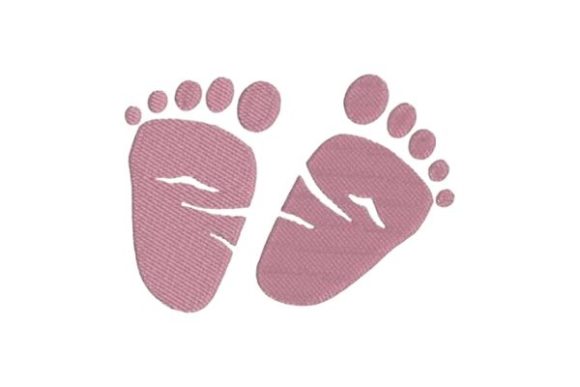
Baby Feet Embroidery Design Review for Craft Fairs
First Impressions: Adorable and Versatile
As an experienced embroidery designer, the first thing that stands out about Baby Feet is its charm. The design feels cute, soft, and undeniably nursery-friendly. It’s not bold or aggressive in style, but it has a gentle, whimsical appeal that immediately draws attention—especially for parents looking to personalize baby items with something sweet and meaningful. While it doesn’t scream farmhouse or rustic, it fits well into modern and decorative themes commonly found at craft fairs and handmade markets.Performance on Craft Fair Products
Tote bags are always a hit at craft fairs, and Baby Feet adds a subtle yet personal touch. When placed near the top or bottom hemline, it becomes a nice accent without overwhelming the bag’s structure. A small placement works best here, allowing customers to glance and recognize it instantly.
Apron embroidery is another strong candidate. Whether it's for a nursery-themed apron or a gift for a new parent, the design brings warmth and innocence. Its soft lines complement cotton aprons and blend well with other baby-related motifs like animals or tiny stars.
Tea towels benefit from Baby Feet as a central motif. It looks great in the middle of a white linen towel, especially when paired with minimalist stitching and pastel thread colors. This makes it a strong contender for both functional and decorative use in kitchens.
Embroidered patches are a fantastic way to test the design’s scalability. On a patch, Baby Feet needs to maintain clarity and definition, especially if the details include small features like toes or soles. If the design includes intricate elements, it may require careful stitch density adjustments to avoid distortion.
For caps, the curved surface presents a challenge. I recommend using a slightly larger hoop size and adjusting the design’s placement to ensure it sits flat and doesn’t appear stretched. A simple version of Baby Feet could work well here, especially if it’s centered over the cap’s curve.
On small fabric pouches, the design shines as a focal point. Its cuteness aligns perfectly with the types of gifts these pouches are often used for—like storing pacifiers, wipes, or little toys. Just be cautious with smaller versions; some details might become too fine and lose their impact.
Pillow covers offer a larger canvas where Baby Feet can really stand out. Placed centrally, it creates a soft, inviting look that appeals to those decorating nurseries or baby rooms. The design also photographs beautifully against pastel backgrounds, making it ideal for online listings and printable mockups.
Practical Selling and Production Considerations
When preparing your booth with handmade products, one of the most important factors is how quickly customers can understand what they’re seeing. Baby Feet is easy to identify at a glance, especially if you use high-contrast thread colors like ivory on navy or pink on white. That kind of visibility helps attract buyers who are scanning your table for quick, appealing options. Another key consideration is whether the design works as a large focal piece or a small accent. Based on my experience, Baby Feet is versatile enough to do both. As a large design on a tote bag or pillow cover, it commands attention. In smaller sizes, such as on a patch or the corner of a tea towel, it adds just the right amount of character without being distracting. Photography is essential for Etsy sellers and digital sellers alike. Baby Feet photographs very well, especially when stitched onto smooth, light-colored fabrics. Its clean lines and soft curves make it ideal for lighting and staging, helping it stand out in both in-person and online displays. Use a neutral background and soft lighting to emphasize the delicate nature of the design. From a production standpoint, the design seems suitable for batch production if the stitch density and layout are consistent across all placements. However, I would advise testing different fabric textures and thicknesses before moving forward. Some designs struggle with dense stitches on thicker materials, causing puckering or distortion. Baby Feet will likely perform best on medium-weight cotton or blends, but always confirm by stitching a few samples.Careful-Use Notes for Optimal Results
Before incorporating Baby Feet into your craft fair products, there are a few things to keep in mind:- Dense stitch areas: If the design has intricate foot outlines or shading, consider adjusting the stitch count to prevent fabric distortion.
- Tiny details: Check the smallest parts of the design—such as toes or edges—to ensure they remain clear even at smaller scales.
- Small lettering: If the design includes text (e.g., “Baby” or names), verify that it’s legible after stitching.
- Thick fabric: Avoid using the design on overly thick or textured materials unless you adjust the stitch type accordingly.
- Textured towels: Kitchen textiles like tea towels may have uneven surfaces. Test the design on several fabric types to ensure it lies flat.
- Curved cap surfaces: Adjust the design for curvature to avoid stretching and misalignment.
- Dark fabric: Make sure the thread colors contrast well with darker bases. Lighter threads will pop more effectively.
- Smaller sizes: Designs that feel cute at full scale may lose their charm when scaled down. Always test different sizes.
Design Impact on Visual Appeal and Sales
What sets Baby Feet apart is its ability to add emotional value to a product. Customers don’t just buy a tote bag or market bag; they buy a memory. That emotional pull is what turns a good design into a handmade gift that sells itself. In terms of visual appeal, Baby Feet has a timeless quality that avoids trends while still feeling current. It’s not too flashy, which makes it accessible to a broader audience. This kind of design strengthens brand consistency for shops focusing on family-oriented, soft, and comforting styles. Customer engagement increases when the design feels premium. Even though it's a machine embroidery design, the way it’s executed on fabric can elevate the perceived value of the finished product. Using quality thread and proper stabilizer can help achieve that polished look.Designer Tips for Real-World Application
Here are a few practical steps to ensure your embroidery file delivers maximum impact:- Test the design on scrap fabric before stitching final pieces. This helps catch any issues with stitch flow or spacing.
- Check thread contrast to make sure the design is visible and attractive. Sometimes, subtle color choices can either enhance or hide the design depending on the base fabric.
- Review spacing in the design file. Overcrowded elements can lead to stitching problems, especially on curved or irregular surfaces.
- Confirm hoop size requirements. Larger hoop sizes may be needed for full-size applications or curved surfaces.
- Inspect stitch density on various fabrics. Dense stitching may need thinning for delicate materials, while sparse stitching might require reinforcement.
- Use the right stabilizer to support the fabric during embroidery. Especially for stretchy or lightweight materials, backing stabilizers can save you from puckering issues.
- Create at least one real mockup to see how the design interacts with your chosen product. A mockup can reveal flaws in placement or sizing that aren’t obvious on screen.
- Compare fabric colors to ensure the design complements rather than clashes with your color palette.
- Confirm commercial licensing if you plan to sell finished products. Many digital embroidery files come with restrictions, and Baby Feet should be no exception.